Containerized Gas Generator Sets
Innovative Energy Solutions: Containerized Gas Power Plants and Generators
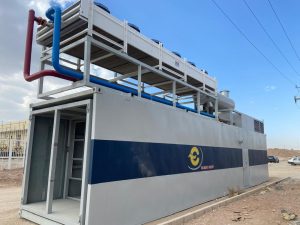
Containerized gas power plants and generators represent a major advancement in the power generation industry. These systems go beyond conventional generators; they are fully engineered integrated power generation solutions that accommodate all the essential components of a conventional power plant within a standard container, typically 20 or 40 feet in length.
This innovative design eliminates the need for industrial buildings, time-consuming civil works, and complex infrastructure, significantly reducing the time from ordering to commissioning. This makes containerized power plants an ideal solution for industrial and commercial projects as well as remote locations.
Containerized Gas Power Plants
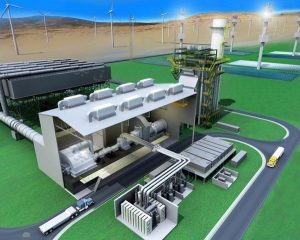
A containerized gas power plant or generator is a system in which the gas engine, generator, control systems, safety equipment, ventilation, exhaust system, and, in many cases, heat recovery equipment are installed inside a specially engineered standard metal container.
These units are designed as Plug & Play systems and, once positioned on-site, can be prepared for operation through the connection of gas and electrical systems, subject to the required site infrastructure and commissioning procedures.
The fuel used in these power plants may include natural gas, LPG, biogas, or industrial gases. Compared with liquid fuels, natural gas and certain alternative gaseous fuels can offer lower emissions, higher efficiency, and more economical operating costs, depending on operating conditions.
Precision Engineering and Integrated Design
Each containerized unit features a carefully engineered and integrated design. The system consists of high-efficiency gas engines and high-performance generators, supported by a range of essential auxiliary systems.
Unlike conventional installations, all major components, including:
Oil management and circulation systems
Advanced air and exhaust filtration systems
Digital control panels
Industrial ventilation and cooling systems
Safety equipment and emergency gas shut-off systems
are precisely integrated by the Original Equipment Manufacturer (OEM).
This integrated design helps minimize installation errors, extend equipment service life, and ensure reliable performance under demanding operating conditions.
The intelligent control system continuously monitors electrical and mechanical parameters, helping maintain stable and reliable power generation.
Key Advantages of Containerized Gas Generators
One of the most important features of containerized gas generators is their enclosed and fully protected design.
This enclosed environment, combined with a standardized and controlled ventilation system, helps protect internal components from dust, pollutants, and harmful environmental factors while maintaining stable and appropriate operating temperatures.
As a result, equipment wear is reduced, component service life is extended, and maintenance requirements can be minimized. This directly contributes to lower operation and maintenance costs and reduces the risk of premature equipment failure.
For these reasons, containerized gas generators are a reliable and cost-effective solution for continuous operation in industrial environments and demanding conditions.
Main Components of Containerized Gas Generators and Power Plants
Gas Engine: The engine serves as the source of mechanical energy and is designed for continuous, long-term operation. It can operate on different types of gaseous fuels.
Generator (Alternator): The generator converts mechanical energy into electrical power and plays a key role in maintaining stable voltage and frequency.
Standard Container and Insulation: The metal container provides mechanical strength and incorporates acoustic and thermal insulation to minimize noise levels and protect equipment against environmental conditions.
Ventilation and Cooling System: Industrial fans, air ducts, and radiators regulate internal temperatures and prevent efficiency losses.
Control and Safety Systems: Intelligent control panels, gas detection sensors, temperature and fire sensors, and automatic fire suppression systems help ensure the overall safety of the installation.
Beyond Power Generation: Maximizing Efficiency with CHP Technology
One of the key advantages of modern containerized gas power plants is the ability to integrate Combined Heat and Power (CHP) technology.
In this process, waste heat from the exhaust system and engine cooling circuits, which would otherwise be lost in conventional power generation systems, is recovered and used to produce hot water or industrial steam.
With this approach, the overall system efficiency can reach approximately 90%, depending on system configuration and heat utilization.
This not only reduces fuel consumption and operating costs but also plays an important role in lowering greenhouse gas emissions and protecting the environment.
Advantages of Containerized Power Plants
Rapid installation and commissioning
Easy transportation and relocation
Significant noise reduction
Lower installation costs compared with conventional fixed power plants
Suitable for both temporary and permanent projects
Modular expansion and capacity enhancement
Adaptability to Harsh Environmental Conditions
The containerized design makes these power plants ideal for operation in challenging environments.
Their durable, insulated enclosures protect equipment against moisture, dust, sandstorms, and significant temperature fluctuations.
Furthermore, acoustic insulation reduces noise levels, making installation possible near residential areas, office buildings, and hospitals, subject to applicable noise regulations.
In projects with limited space or in remote and inaccessible locations where conventional construction is impractical, containerized power plants offer a practical and potentially cost-effective solution due to their standardized dimensions and ease of transportation.
Applications of Containerized Gas Power Plants
Oil, gas, and petrochemical industries
Factories and manufacturing facilities
Data centers and critical infrastructure
Hospitals and healthcare facilities
Mines and remote construction projects
Small-scale and emergency power plants
Conclusion
Containerized gas power plants and gas generators represent the concept of accessible, rapid, and reliable energy.
By combining mobility, Plug & Play design, high efficiency, and environmental adaptability, these solutions enable organizations and industrial facilities to strengthen their energy security wherever power is needed.
The growing adoption of containerized gas generators reflects the energy industry’s transition toward intelligent, modular, and sustainable power generation solutions.
Choosing these systems is not merely a technical decision; it is a strategic investment in a more flexible, economical, and sustainable energy future.